
Leadstor LogoLeadstor
Corporate Training CRM

Corporate Training CRM

Track corporate training enquiries, proposals, follow-up calls, and delivery steps in one workflow.

Book a Demo
  • Long B2B sales cycles tracked clearly
  • Proposal and stakeholder follow-up
  • Delivery handover without lost context
  • Reporting across accounts and batches
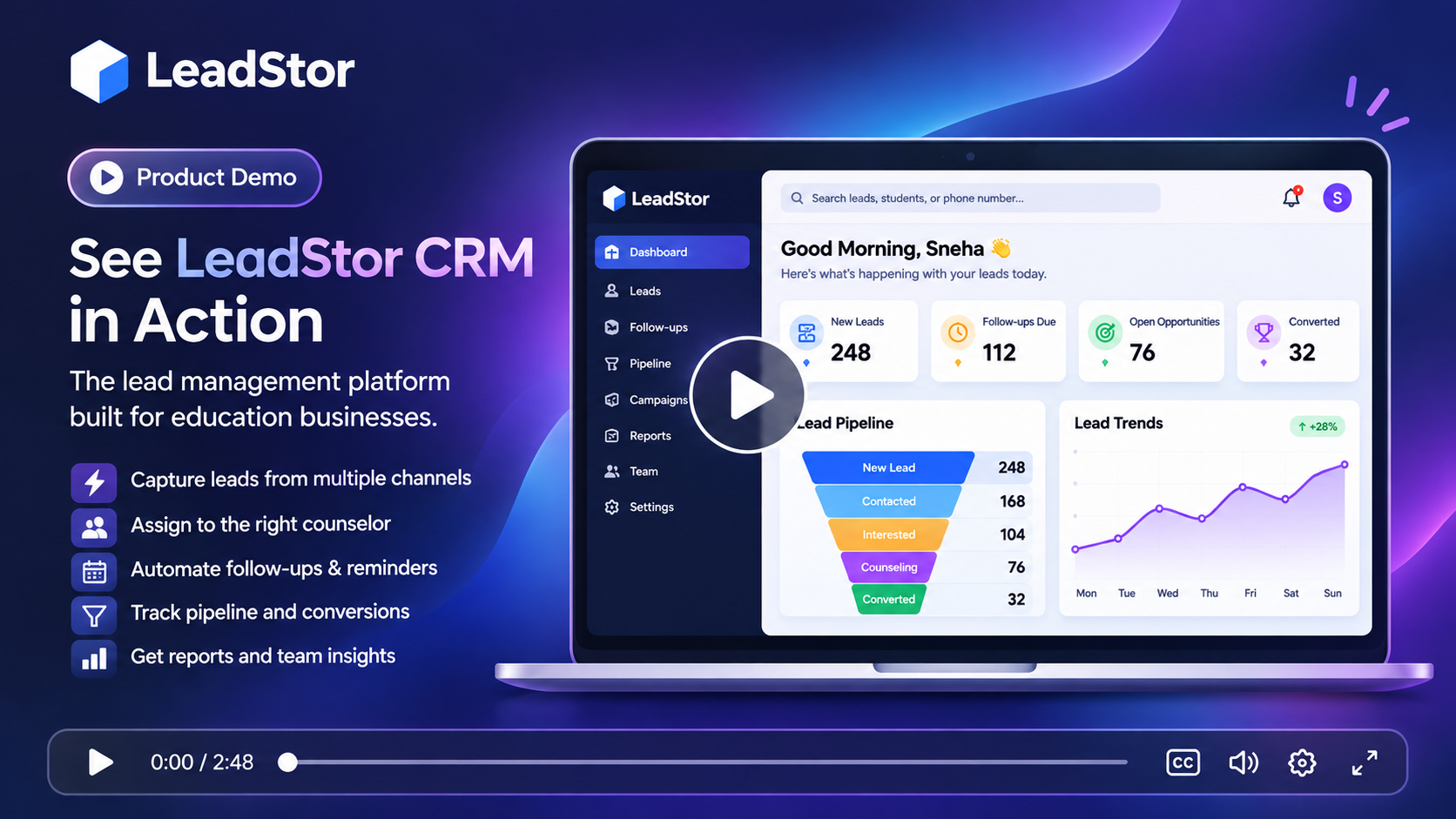
LeadStor dashboard showing corporate training enquiries and proposal stages

The problem

What slows this team down today

These are the recurring issues teams describe before they move their enquiry workflow into one system.

1

Sales cycles run for months

A corporate training enquiry may involve a training request, an internal review, a proposal, and a budget cycle. Without stage tracking, it is easy to lose sight of where a deal actually stands.

2

Several stakeholders are involved

HR, L&D, and department heads may each ask different questions. Notes spread across email threads make it hard to remember who asked what.

3

Delivery happens outside the sales record

Once a proposal is approved, the delivery team needs participant counts, schedules, and invoicing details. That handover is often reconstructed from scratch.

The approach

How LeadStor addresses it

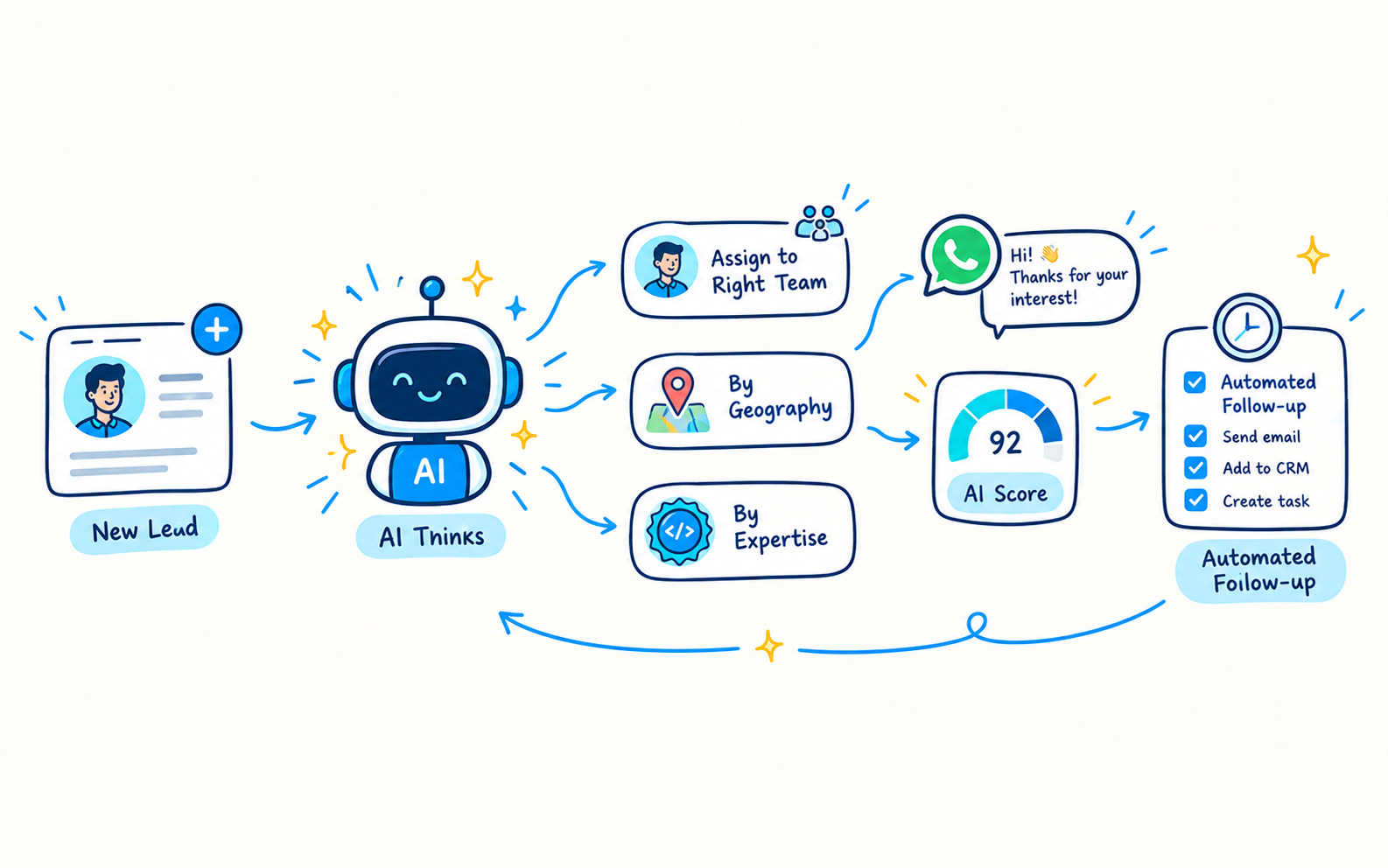
LeadStor keeps capture, routing, follow-up, and operations in a single platform so the same record is used from first enquiry onwards.

Source and conversion reporting

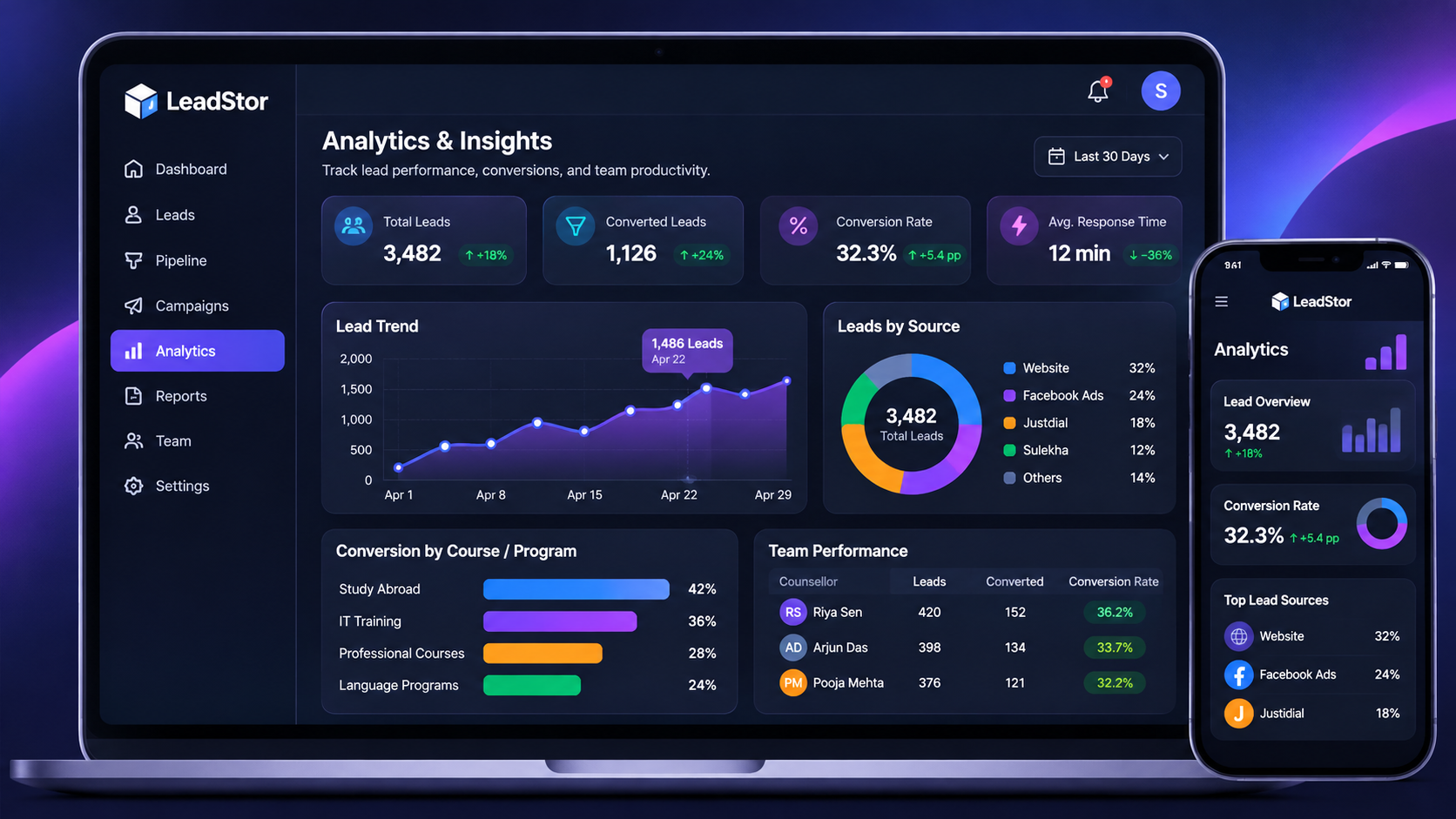
Managers can review activity, source performance, and conversion progress from the same platform that the team works in every day.

LeadStor analytics dashboard showing lead source and conversion reporting
01

Track every deal by stage

Lead management keeps the owner, the stage, and the next step visible, which suits a long corporate cycle better than a simple list.

02

Keep stakeholder context together

Activity history holds the details of each call and question, so a colleague can review the account before the next meeting.

03

Hand over to delivery with the same record

Fee, invoicing, and batch information sit next to the original enquiry rather than in a separate file.

Step 1

Keep long cycles visible from first enquiry

Corporate enquiries arrive by email, form, referral, or a partner introduction. LeadStor records the source and the owner, then keeps the stage and next step in view across a long decision cycle.

  • Stage-based tracking for long cycles
  • Clear owner for each account
  • Follow-up reminders across months
Corporate enquiry pipeline with stage tracking
Step 2

Record what each stakeholder asked for

Call notes and status changes stay on the account record. That makes it easier to prepare for the next review meeting without rebuilding the history from email.

  • Activity history per account
  • Shared visibility for the sales team
  • Nurturing for deals waiting on budget
Account record showing stakeholder activity history
Step 3

Move from proposal to delivery smoothly

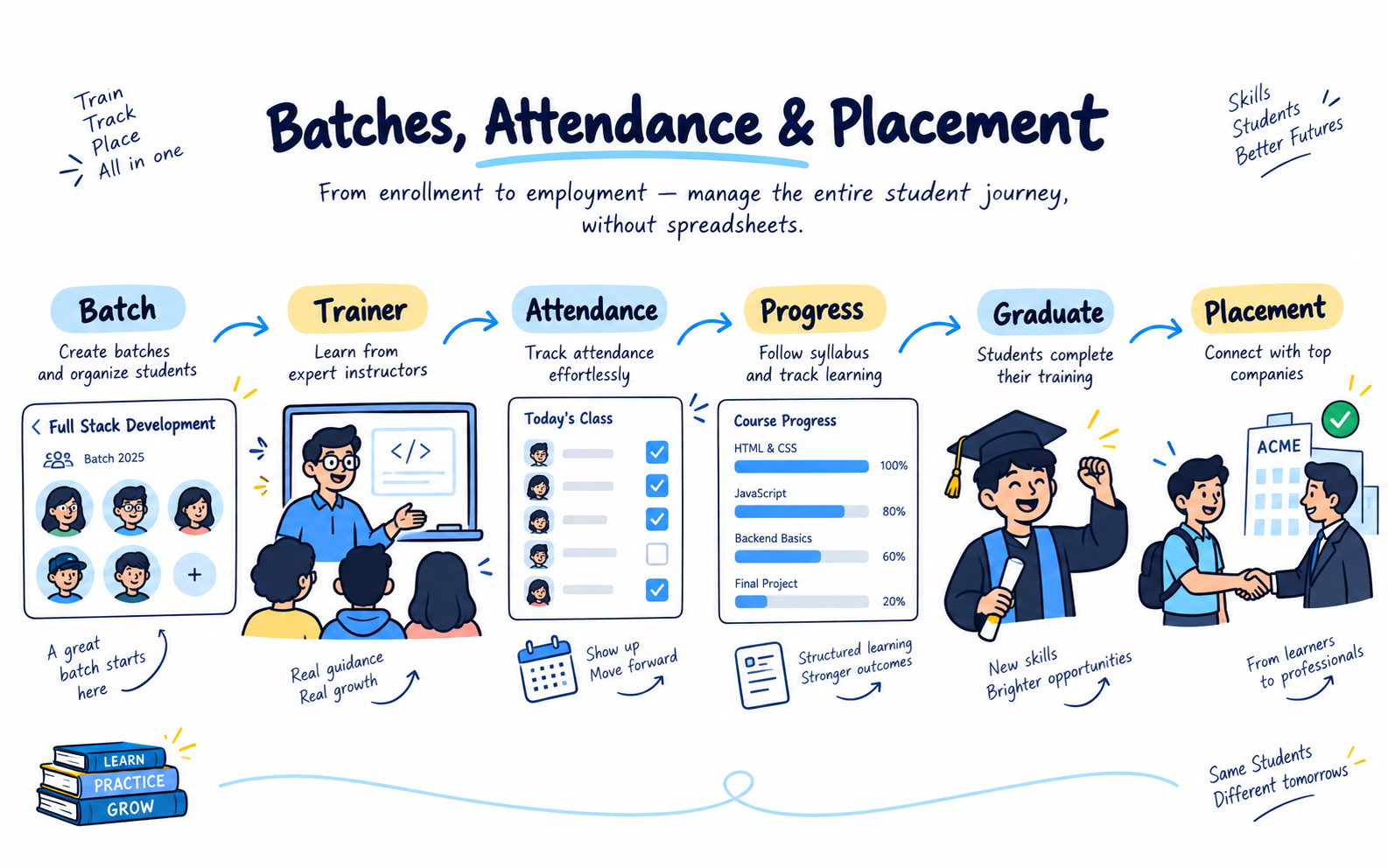
Once a programme is approved, fee details, invoicing, and batch scheduling are handled in the same platform, so the delivery team works from the same information.

  • Fee and invoicing workflows
  • Batch scheduling for programmes
  • Reporting across accounts and batches
Invoicing and programme scheduling screen

The workflow

How an enquiry moves through LeadStor

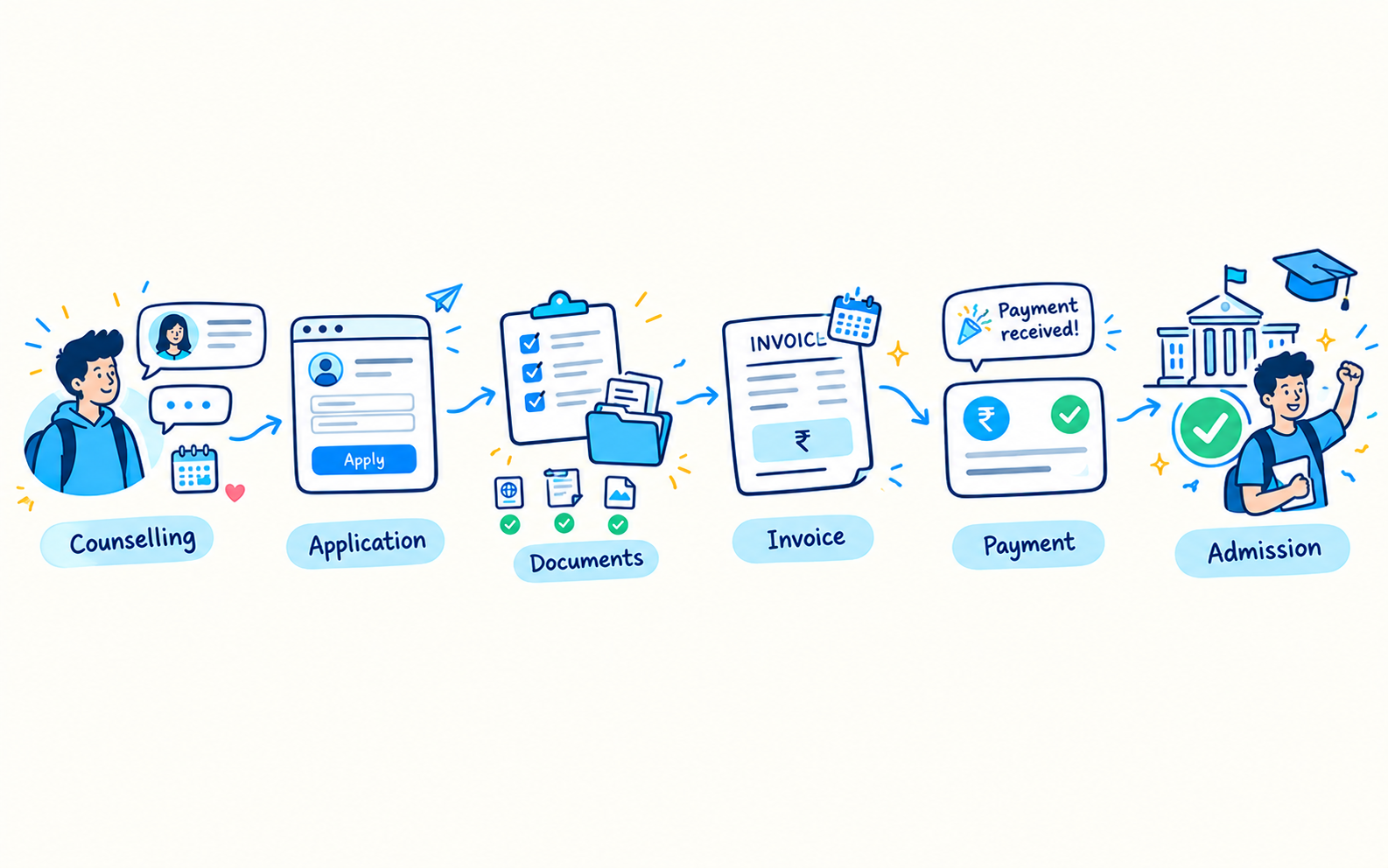
  1. 1

    Request is logged

    The training request enters with its source and an assigned owner.

  2. 2

    Evaluation and proposal

    Stakeholder conversations and the proposal stage are tracked with reminders.

  3. 3

    Approval and invoicing

    Fee details and invoicing are recorded on the same account.

  4. 4

    Programme delivery

    Batch scheduling and reporting continue without a separate system.

Outcomes

What changes for the team

Nothing stalls silently

Stage tracking and reminders show which deals need attention this week.

Faster proposal turnaround

Stakeholder history is available before each meeting or revision.

Cleaner delivery handover

Delivery teams read the same record instead of rebuilding context.

Reporting across programmes

Account and batch data sit together for review.

Common use cases

  • Training companies selling to HR and L&D teams
  • Teams managing proposals that need several approvals
  • Operations staff scheduling and invoicing programmes
  • Managers reviewing pipeline and delivery performance together

Corporate training teams often need to manage long sales cycles. LeadStor can help by keeping the enquiry, the follow-up, and the handoff visible in one place.

Why this solution matters

A corporate training enquiry is different from a simple form lead. It may need proposal review, a call with HR or L&D, a schedule discussion, and later a delivery workflow.

The verified LeadStor features that matter here are lead management, workflow automation, reminders, and activity tracking.

What the CRM should support

  • One place for every training enquiry
  • Clear owner for each deal or request
  • Follow-up reminders for longer sales cycles
  • A simple record of calls and changes
  • Handoff into delivery and reporting

Short answer

For corporate training, the CRM should help the team move from enquiry to proposal to delivery without losing context.

FAQ

Corporate Training CRM questions

Is LeadStor suitable for long B2B sales cycles?
Yes. Lead management keeps the owner, stage, and next step visible, and follow-up reminders support cycles that run across several months.
Can we record details for multiple stakeholders on one deal?
Activity history stays on the account record, so conversations with different stakeholders can be reviewed together before the next meeting.
How does delivery handover work after a proposal is approved?
Fee and invoicing workflows plus batch scheduling are part of the platform, so the delivery team works from the same record as the sales team.
Can we report on both accounts and delivered programmes?
Reporting covers lead and payment data, and batch records are available, which supports reviewing pipeline and delivery performance together.

Track corporate training deals end to end

We will show how a corporate enquiry can move from first request through proposal, invoicing, and programme delivery in one platform.